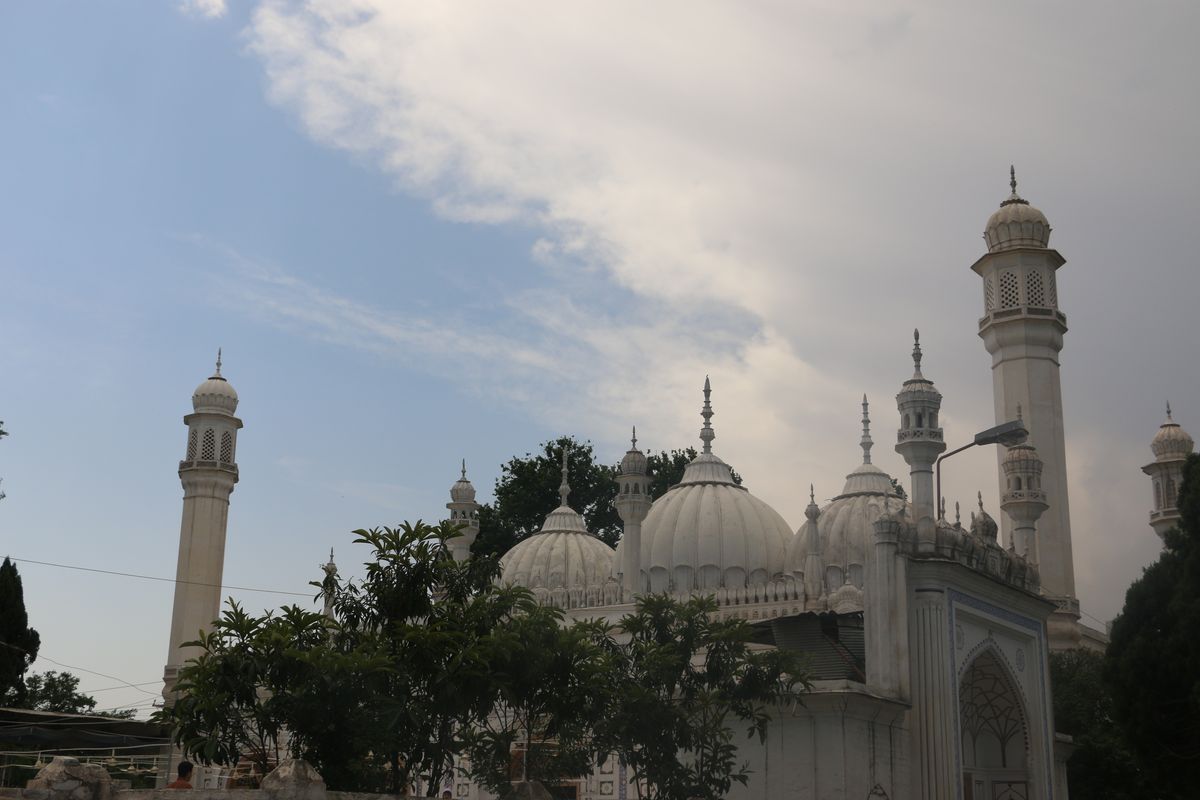
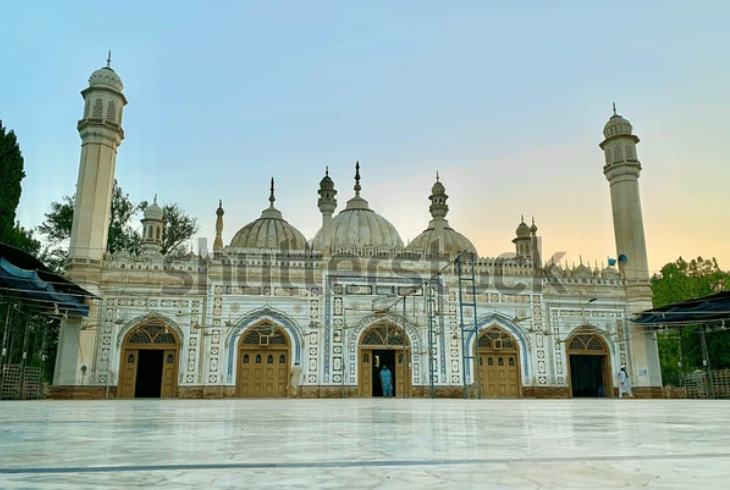
A beautiful picture of Jamia Masjid, Islamia College Peshawar
A beautiful picture of Jamia Masjid, Islamia College Peshawar
A beautiful picture of Jamia Masjid, Islamia College Peshawar
Jamia Masjid, Islamia College Peshawar
Dated: 2025-07-27
The Jamia Masjid at Islamia College Peshawar is one of the most iconic architectural landmarks of the institution, reflecting both historical and cultural significance. Islamia College Peshawar, founded in 1913 by Nawab Sir Sahibzada Abdul Qayyum and Sir George Roos-Keppel, aimed to provide modern education integrated with Islamic values. As part of this vision, a grand mosque was constructed within the college campus to serve as a center for spiritual growth and religious practice.
The Jamia Masjid was designed in a Mughal-Indian architectural style, inspired by the historic mosques of the subcontinent, symbolizing Islamic heritage and the cultural richness of the region. It became a focal point for students, faculty, and the Muslim community for congregational prayers and religious gatherings.
Brief Description of the Mosque
Architecture: The mosque features three majestic domes, multiple arched entrances, and four elegant minarets, showcasing traditional Islamic and Mughal architectural elements.
Material: Constructed with red bricks and white marble ornamentation, harmonizing with the overall architecture of Islamia College’s historic buildings.
Capacity: The mosque has the capacity to accommodate hundreds of worshippers, making it one of the largest mosques within any educational institution in the region.
Interior Design: The prayer hall is spacious, adorned with Islamic calligraphy and decorative motifs, creating a serene spiritual environment.
Significance: Apart from being a place of worship, the Jamia Masjid serves as a symbol of the integration of faith and knowledge, a principle upon which Islamia College was founded.